Having My First Baby in My Mid-30s: The Honest Pros and Cons (From Someone Who Lived It)
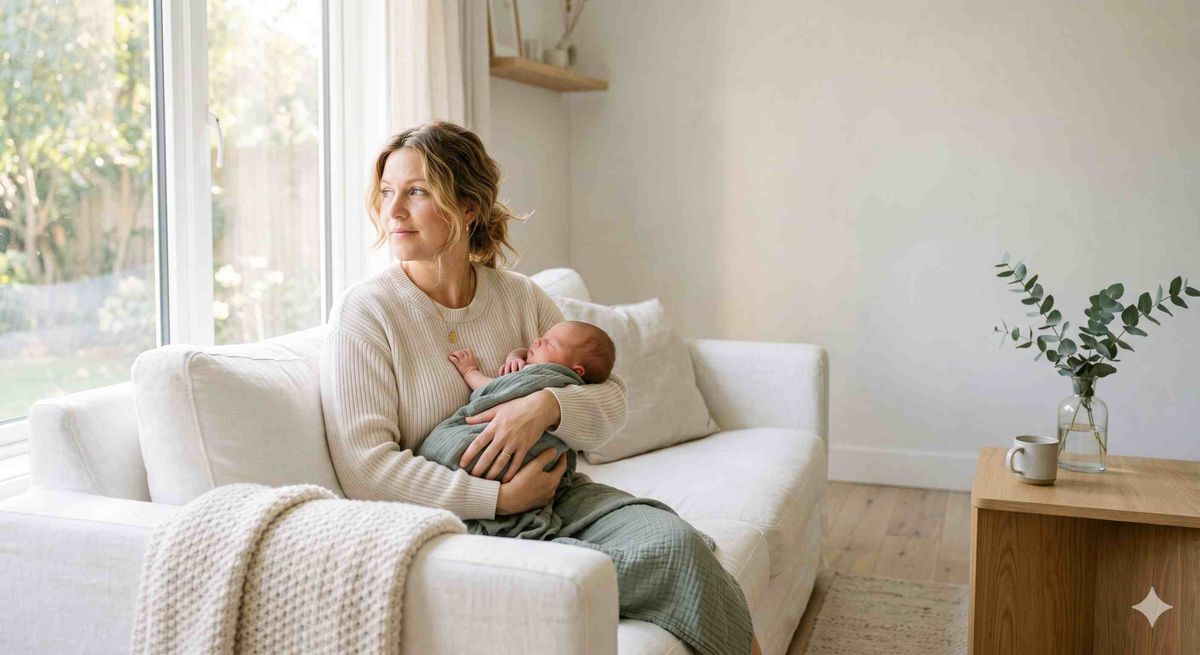
I want to be upfront: this is based entirely on my own experience. Your situation will be different — and that's completely okay.
The "right age" to have a baby is one of those questions that everyone has an opinion on and nobody can actually answer for you. I spent most of my 20s quietly wondering if I was falling behind. Now, on the other side of it — with a thriving toddler and a lot of hard-won perspective — here's what I actually think.
The Pros of Having Your First Baby in Your Mid-30s
1. Patience You Actually Earned
Raising a baby requires a level of patience that doesn't come naturally — it has to be built. And honestly? A decade of navigating workplaces, difficult relationships, and life not going to plan is very good training for it.
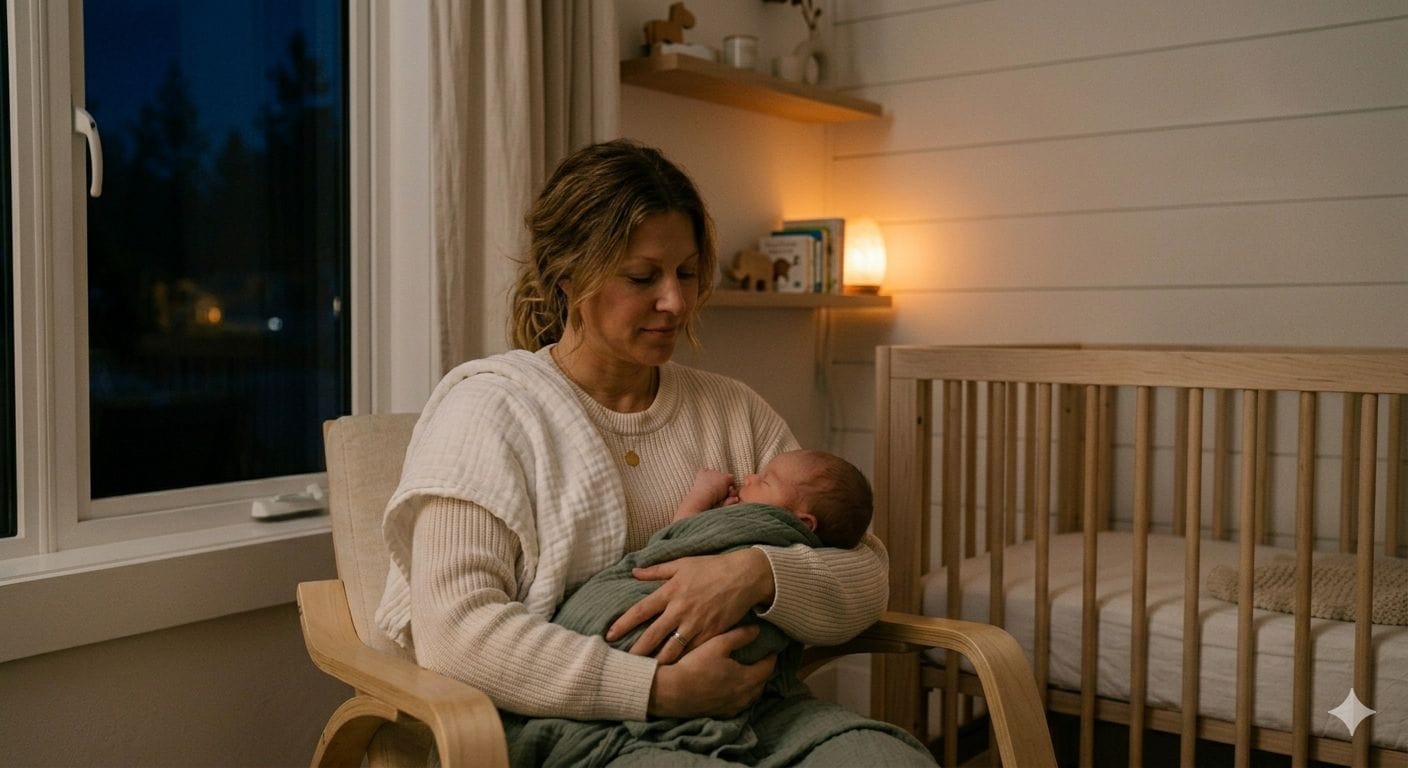
There was a night when my baby woke up every 10 minutes for hours. The first couple of times I resettled her, fine. But by the fourth or fifth time, I was hitting a wall. What I did — what I genuinely believe a younger version of me might not have done — was put her down safely for 60 seconds and just breathe, once I confirmed she wasn't unwell.
Then, I could reframe it: she's uncomfortable and crying is the only language she has right now. That shift — from "why won't she stop" to "she's trying to tell me something" — took years of emotional practice to access at 3am.
2. A More Grounded Co-Parenting Dynamic
By my mid-30s, I'd learned — sometimes the hard way — that people don't operate the same way you do, and that's not a problem to fix.
My husband and I parent differently. There were moments when I felt like I was doing more, carrying more. But I'd also done enough living to know that measuring contributions that way is a trap. He values rest in a way I didn't fully understand at first. I value staying engaged. Both are legitimate.
What actually helped us: he noticed when I was burning out before I did, and would quietly take over — especially on those long nights when I'd been resettling the baby for an hour alone. Because he'd rested, he could step in. That dynamic — which sounds small — kept me from tipping into real resentment more than once.
3. Clarity About What Kind of Parent You Want to Be
I'd had over a decade of watching other people parent. Observing what I admired. What made me wince. And doing a lot of quiet thinking about what I actually valued for a child's life.
By the time my daughter arrived, my answer was distilled: I want her to know how to be happy — independently happy. To take care of her body and mind. To build her own financial security. Not to be the smartest or the most decorated, but to be resilient and self-sufficient.
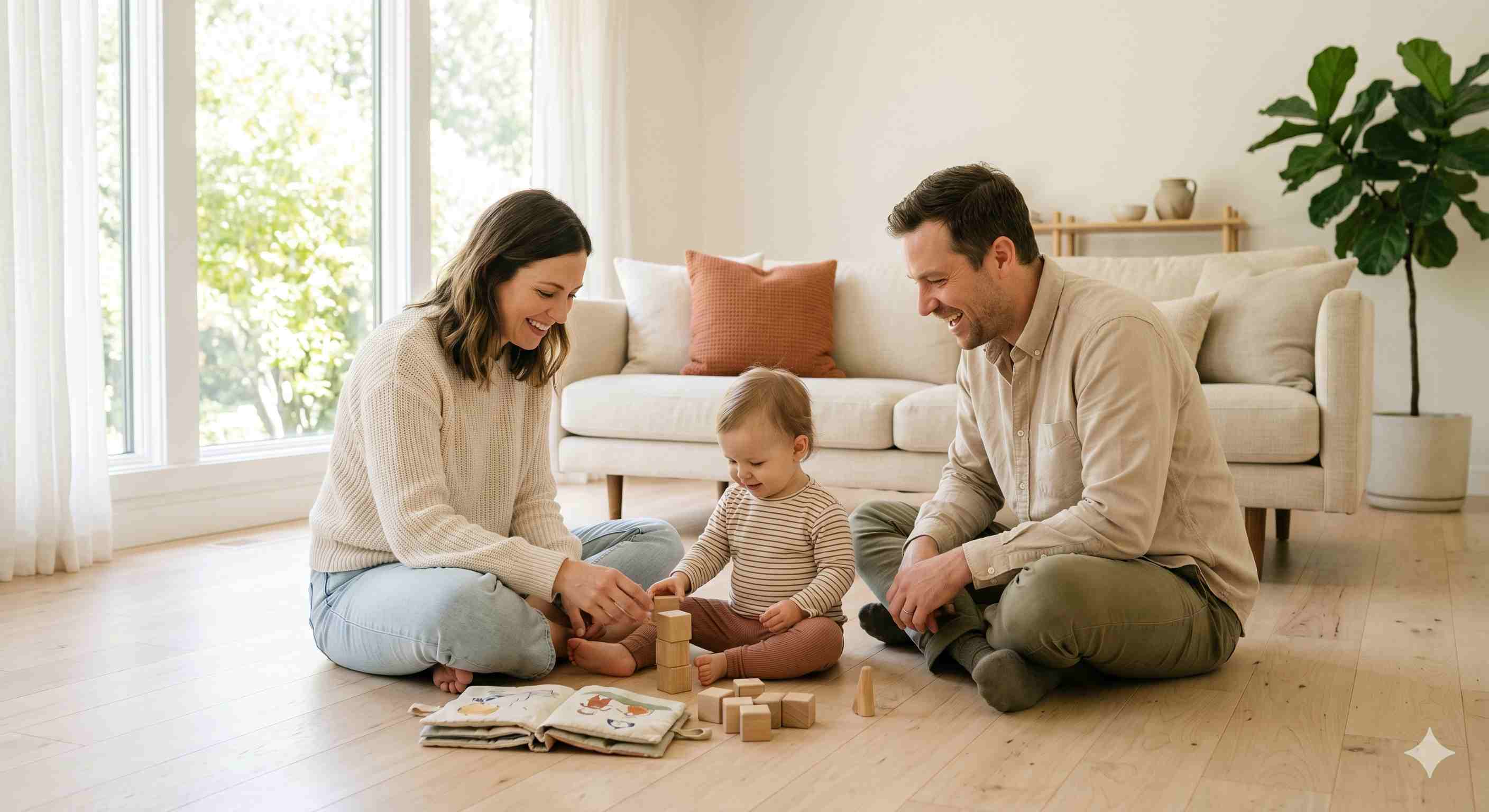
That clarity meant I wasn't anxious when she was slow to build with blocks or initially uninterested in books. I knew my job was to create the environment and follow her lead. She figured it out herself. She stacks blocks beautifully now, and she loves books. 🙂
4. Financial Stability That Actually Changes Daily Life
In my mid-20s I was building — saving, investing, paying my dues professionally. There wasn't much margin. By my mid-30s, both my husband and I were established in our careers, and that financial breathing room made an enormous, practical difference.
We hired a cleaning service on a regular schedule. When our daughter was a newborn, a nanny helped part-time — not to hand off parenting, but to handle meals, laundry, and the logistics so that the hours I spent with my baby were just with my baby. We both took a full year of parental leave, which meant a full year as a family before daycare. I can't describe how good that was.
And when it came to buying baby gear, I didn't have to compromise safety or convenience for price. That's a privilege I'm genuinely grateful for — and aware not everyone has.
The Cons — And They're Real
1. The Anxiety of a Later Pregnancy
Medical technology has come a long way. But biological risk does increase with age, and knowing that intellectually doesn't make waiting for test results any easier.
I spent months before conception doing everything I could — health checks, preconception appointments, getting my body as ready as possible. And I still found the screening wait genuinely frightening. Not because I think early detection is bad (it isn't), but because I knew that if something showed up, there was no simple path forward. Any decision would carry weight.
My daughter was born completely healthy. But the anxiety didn't fully lift for the first few months, even then.
2. The Body Keeps Score
There's no soft way to say this: recovering from a newborn phase in your mid-30s is harder than it would have been a decade earlier. My wrists, my ankles, my joints — they complain more and recover more slowly. The physical toll of broken sleep, carrying a growing baby, and just keeping up is real.
That said — and this is true — when I'm actually with her, something switches on. I don't know what to call it except a very useful kind of adrenaline.
3. Family Size Becomes a Real Calculation
I wanted to finish having children before 40. With the age gap I'd ideally want between children, a second is now a late-30s pregnancy — with all the anxiety that brings. A third? Genuinely difficult to imagine, logistically and physically. That's a constraint I didn't think much about in my 20s, and now I think about it often.
4. The Math of Time Together
This one sits with me more than I expected. If I'd had her 10 years earlier, I'd statistically have 10 more years alongside her as an adult. More years to watch who she becomes. That's not a small thing.
It's part of why I'm committed to staying genuinely healthy — not just for my sake, but so that when she's older, I'm not a source of worry for her.
So Would I Go Back and Do It at 25?
No — and also, sort of yes.
My 20s gave me things I couldn't have gotten any other way. The career foundation, the financial independence, the self-knowledge. Without that decade, I wouldn't be the parent I am now. I don't regret it.
But mid-30s is slightly late for a first. If I could rewind to any point, it would be early 30s — old enough to have the patience, financial stability, and clarity; young enough to shrink the physical gap and leave more room for siblings if I wanted them.
There's no perfect age. There's just the age you're at, and what you bring to it.